As we close the books on 2025, one trend became undeniable across manufacturing, food processing, and logistics:
Packaging systems reached a tipping point. In a year defined by fluctuating shipping costs and warehouse space premiums, operations teams stopped looking at packaging as a “supply” and started treating it as a tool for efficiency.
Looking back at the data from the Solo community, the most successful teams moved away from “quick fixes” to solve these recurring bottlenecks:
-
Product Damage: Fragile shipments failing in transit.
-
The “Air” Problem: Empty containers taking up expensive floor space.
-
Replacement Cycles: The hidden cost of constant cardboard re-orders.
-
Slow Transfers: Inconsistent bin sizes bottlenecking automation or manual lines.

The 5 Solutions Operations Teams Relied on Most in 2025
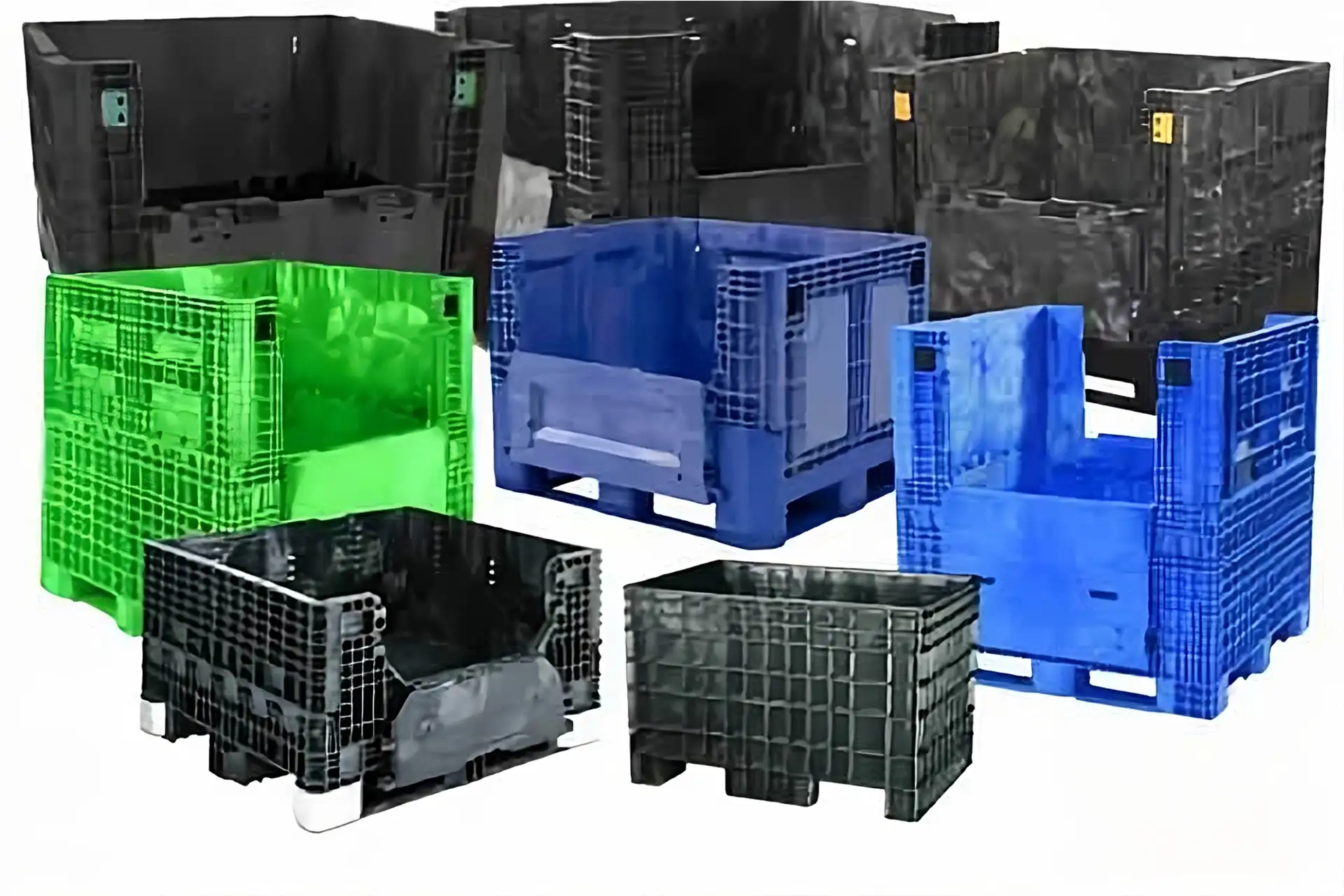
1. Collapsible Bulk Containers
- Reduces empty container footprint in warehouses
- Improves trailer utilization on return shipments
- Handles heavy industrial loads with reinforced base construction
- Enables faster setup with tool-free hinge system
- Supports closed-loop and multi-trip programs
- Closed-loop logistics systems
- Seasonal inventory storage
- Produce and agricultural transport
- Multi-trip shipping programs
👉 Browse collapsible bulk containers
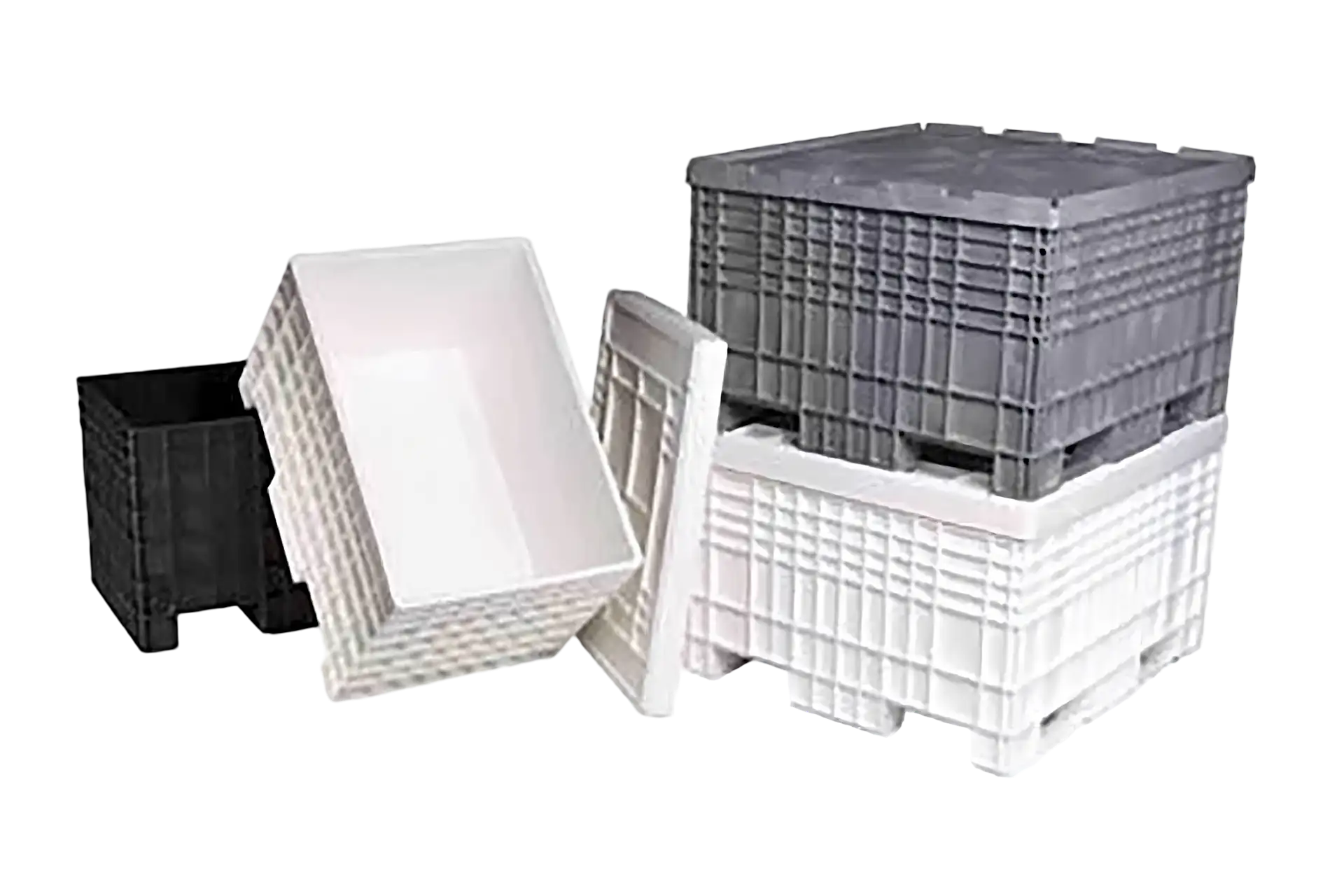
2. Plastic Bulk Boxes (Gaylord Alternatives)
- Eliminates recurring cardboard replacement costs
- Improves stackability and load stability
- Folds flat to save space when not in use
- Supports sustainability initiatives with recycled materials
- Performs reliably in pick-and-pack and staging areas
- Distribution staging
- Pick-and-pack operations
- Inventory storage
- Shipping consolidation
- Recycling and light industrial processing

3. Attached-Lid Totes
- Attached lids prevent mismatched containers
- Improves stacking efficiency
- Reduces lid loss
- Durable for repeat transfers
- Supports organized logistics systems
- Inter-branch transfers
- Classroom and equipment movement
- Retail backroom organization
4. Ventilated Bakery Trays
- Improves airflow around baked goods
- Stackable for efficient storage
- Durable plastic construction
- Easy sanitation
- Ideal for food production environments
- Dough and baked goods handling
- Cold storage operations
- Commissary transport
5. Custom Dunnage Systems
- Protects high-value components
- Reduces shipping damage
- Improves packing consistency
- Speeds up packing operations
- Supports reusable container programs
- Automotive parts protection
- Aerospace components
- Electronics and medical device packaging

Quick Comparison: Common Packaging Fixes
| Problem | Traditional Approach | Better Long-Term Solution |
| Shipping damage | More cardboard | Custom dunnage systems |
| Storage congestion | Add warehouse space | Collapsible containers |
| Packaging replacement cost | Reorder cardboard | Reusable bulk boxes |
| Internal transfer inconsistency | Mixed containers | Standardized totes |
When Should You Upgrade Packaging Systems?
Many companies upgraded packaging this year after noticing:
- Damage claims increasing
- Storage space becoming limited
- Containers failing after repeated use
- Labor slowing due to inconsistent packaging
- Rising packaging replacement costs
If these issues sound familiar, upgrading packaging systems often delivers quick operational improvements.
Industries Leading the Shift to Reusable Packaging
Reusable packaging adoption accelerated across:
Manufacturing & Automotive
Reducing part damage and improving packing consistency.
Food Processing & Distribution
Improving sanitation, durability, and stackability.
Warehouse & Logistics Operations
Reducing congestion and improving shipping efficiency.
Retail & Institutional Operations
Standardizing container systems for internal transfers.
Why Operations Teams Continue Choosing Solo
Customers consistently cite:
- Fast shipping from stocked inventory
- Durable reusable container systems
- Engineering support for custom solutions
- Packaging systems that scale with growth
Most importantly, they found solutions that made everyday operations easier.
Planning Packaging Improvements for the Year Ahead?
Whether you’re restocking containers or designing a better packaging system, our team helps companies find solutions that work long term.
Frequently Asked Questions
Are plastic bulk boxes better than cardboard?
For repeated use, reusable bulk containers typically last longer and improve stack stability compared to cardboard.
How long do reusable containers last?
Most industrial reusable containers last several years depending on use conditions.
What reduces shipping damage the most?
When should we consider custom dunnage?
When products are fragile, irregularly shaped, or regularly damaged during transit.